Originally published in The Chattanooga Times Free Press
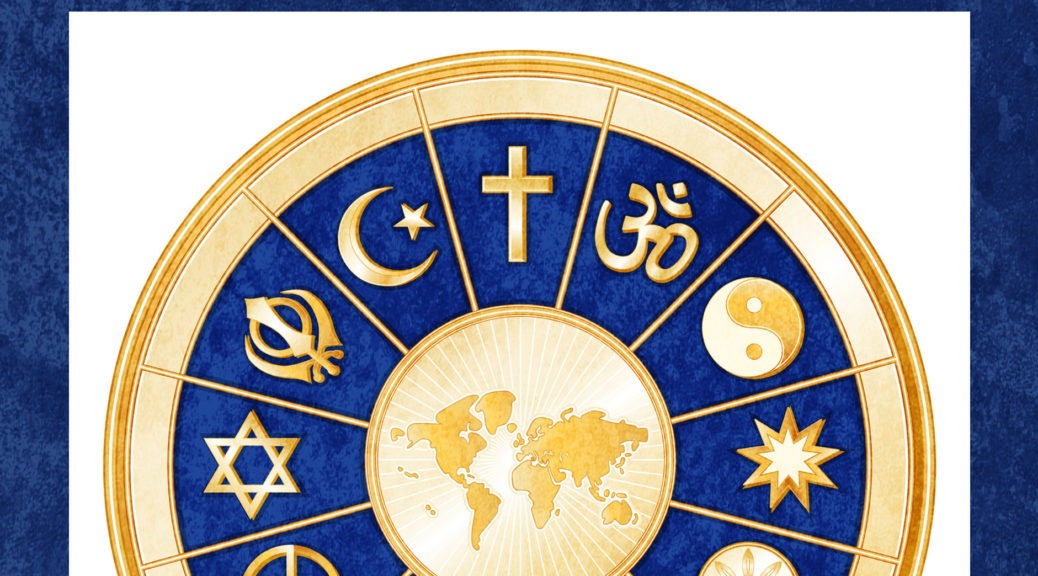
I could barely contain my excitement a few days ago when the Chattanooga Times Free Press published this article, “Businesses face calls to include faith in diversity program”. Do you know how many years I’ve been promoting the idea of competence in religious diversity? It began over 30 years ago when I created the DuPage/Chicago Interfaith Resource Network and got a call from the county’s police chief. DuPage County had acquired an amazingly diverse population as it developed into Chicago’s technology corridor. And law enforcement officers were struggling, especially when there was a death, like someone run over on the highway. Apparently they were asking all the loved ones if they should call a priest and were offending everyone who was not Catholic. Would I please wear a pager 24/7 so that they could call on me to help them with the correct language?
Continue reading Finally, diversity programming is beginning to include faith – by Deborah Levine
 It was an honor to share my perspective as a Jew and diversity professional at Chattanooga’s MLK interfaith service commemorating The Rev. Dr. Martin Luther King Jr. That event was years ago but my passion for diversity is a lifelong legacy from my father, a US World War II military intelligence officer whose letters describing Naziism reside in Cincinnati’s American Jewish Archives. Having dedicated decades to tikkun olam, Hebrew for ‘repair of the world,’ I resonate to this day to Rabbi Abraham Joshua Heschel’s words, “Racism is man’s gravest threat to man – the maximum of hatred for a minimum of reason.”
 With Hoffman’s message in mind, we should magnify our efforts to preserve the languages, cultures and traditions that have made our diverse world so memorable, including Yiddish.
 The goal of this manual is to design new ways to discuss Israel, focusing on basic religious themes. The Middle East is often seen as a confusing array of political, economic, military strategy, and religion. Amidst this confusion, religious themes are an important element in shaping American attitudes toward Israel, and this volume helps prepare leadership to engage in an interreligious dialogue about Israel and the Middle East.