
originally published in The Chattanooga Times Free Press
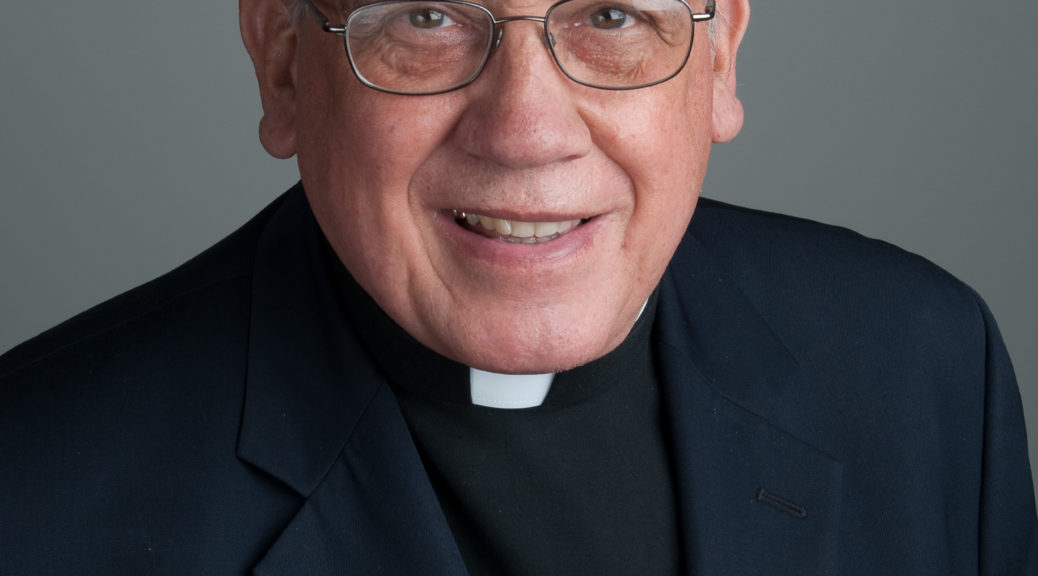
The interfaith world is no doubt grieving at the recent passing of The Rev. Dr. John Pawlikowski, OSM. I sure am. I first met John when I was Interreligious Affairs Director at the American Jewish Committee’s Chicago office about 40 years ago. I was brand new and staring pathetically out the window of my office when this 6’4” guy in priestly robes appeared at my door holding a book. “You’re going to need me, and my book,” he said. My response? “I have no idea who you are, but I’m sure you’re right.”
My ignorance didn’t deter him from working with me, and being my mentor in the process. Together, we coordinated the 1990 National Workshop on Christian-Jewish Relations. Only later did I discover his impressive background. John was not only Director of the Catholic-Jewish Studies Program at Chicago’s Catholic Theological Union (CTU), he was a CTU founding faculty members. (His students included Pope Leo XIV.) He was a presidential appointee to the U.S. Holocaust Memorial Council, President of the International Council of Christians and Jews (ICCJ), and a Board member of the Parliament of the World’s Religions.
My ignorance of his amazing resume actually had a positive side. If I’d been aware of his extraordinary career, I’d have been greatly intimidated. Instead, we became good buddies. Recently, I giggled heartily hearing him explain online to a colleague at the TN Holocaust Commission, that I called him names that no one else on the planet did. John’s inspiration was divine, especially when magnified by his sense of humor.
Over the years, John’s passion continually increased for teaching the ethics lessons of the Holocaust. It’s horrifying that so many people acquiesced out of fear of the Nazi regime, or were in complete denial of what happened in the death camps. Applying those lessons to today’s complex global society, John strongly objected to the current “transactional morality”. The term means that right and wrong are defined not by moral constraints, but by rewards accrued. Might that apply to our current White House?
The need for an official Global Ethic was outlined at the 1993 Parliament of the World Religions Conference where I was a speaker and John was a leader. In his article, Holocaust Ethical Implications , John outlined how we should respond to ethical challenges: (1) respect for human dignity must supplant any notion that only correct belief entitles one to fundamental rights; (2) moral concern must be broadened beyond the parameters of our own faith and national communities; and (3) acknowledgment of past failings by our religious and national communities is necessary for developing the internal integrity required for consistent moral commitment.
I greatly appreciate the words of Fr. Enzo Del Brocco, CP, President of CTU: “The most fitting tribute we can offer is to carry forward the work to which John devoted his life: pursuing theological scholarship with intellectual rigor and humility, deepening friendship and dialogue across religious traditions, defending the dignity of every human person, caring for our common home, and bearing witness to justice, reconciliation, and peace. May his memory continue to be a blessing, and may his legacy inspire generations to come.”
John certainly inspired me! I asked him to write the Foreword to my book, The Liberator’s Daughter. He immediately agreed saying that the Holocaust Memorial Commission planning the Holocaust Museum in D.C had been aware from its beginnings that documentation by World War II liberators was extremely rare. The publication of Deborah’s father’s letters is “…a new important resource for Holocaust education and research.”
John, I’m honored to carry on your legacy. R.I.P.

- Explosive diarrhea and Imploding CDC – by Deborah Levine - August 14, 2026
- Don’t tolerate today’s anti-women trends — by Deborah Levine - August 7, 2026
- Don’t let climate change kill us – by Deborah Levine - July 31, 2026