Category Archives: Writing

Artists with Neurodevelopmental Disabilities – by Diane Storman

Seeing Differently in San Diego and Beyond

Author’s Note: This article intentionally intersperses person-first language with identity-first terms such as “autistic” and “neurodivergent” to reflect and respect the wide range of individual preferences regarding descriptive language.

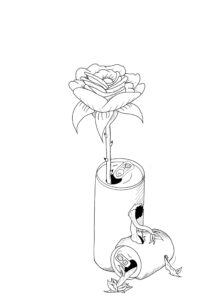
For many artists with autism, art is not just a creative outlet; it is a forum for conveying experiences and perspectives that are often not expressed in words. Autistic artists use visual expression to communicate their experiences and challenge ideas about disability and creativity. 
Continue reading Artists with Neurodevelopmental Disabilities – by Diane Storman

Moral Fault Lines as Muse – by Linda Drattell

Drattell
by Shawn Drattell

Moral fault lines are everywhere we look and serve as a muse for my writing. They are the underlying fissures that can fracture societal cohesion, fragment our understanding of what is right versus wrong, and threaten to break us under severe stress. In my novel, The Peccadilloes of Filamena Phipps, Filamena Phipps, née Ferayinskela, doesn’t ‘fit’ in North Chelsea, an affluent community which prizes homogeneity. A clique consisting of  Filamena’s neighbors drive informal, but ultimately rigid, community decisions such as where they shop, what they wear, with whom they socialize. Filamena tries to accommodate her neighbors but to them, she’s different; she’s a threat. They want her to conform, forget her own customs, dress and cook and raise her children like they do. Confronted by her neighbors’ bullying, she must decide how much bullying she should tolerate. What happens when she dissents? How can she dissent effectively and still remain a part of her community? 

Continue reading Moral Fault Lines as Muse – by Linda Drattell

Creative Writing as a Tool for Mental Health – by Diane Storman

Writing Through It

Creative writing can be an effective tool for processing and regulating emotional responses. It can help writers enhance self-awareness, manage their mental well-being through daily writing practices, and foster connections within communities facing shared mental health challenges. (Author’s note: For the purposes of this article, creative writing refers to the practice of deliberately using narrative forms such as storytelling, journaling, and poetry to express thoughts and emotions.  Mental health is defined here as a state of emotional, psychological, and social well-being that influences how individuals think, feel, and act.)

Continue reading Creative Writing as a Tool for Mental Health – by Diane Storman