For decades, human intelligence and cognitive development have been measured through a rigid statistical lens. In clinical and educational settings, the Gaussian bell curve has dictated who is considered “normal,” who is “deficient,” and who is “gifted.” However, as explored in my research essay, Beyond the Curve: The Neurobiology and Psychology of Giftedness in the 21st Century, this binary approach to human minds is proving to be outdated. To truly understand the human brain, modern healthcare and advocacy must look past statistical models and embrace the profound reality of neurodiversity.
The Myth of the Monolithic Mind
When people hear the word “gifted,” they often picture academic ease, high IQ scores, and flawless performance. In reality, high cognitive potential is rarely a smooth, linear experience. Neurobiological data indicates that gifted individuals often experience asynchronous development—a phenomenon where advanced intellectual capabilities coexist with standard or delayed emotional and motor skills.
This internal disparity creates a unique psychological landscape. Neuroanatomical studies published in PubMed Central (PMC) reveal a double dissociation in the memory systems of intellectually gifted brains, showing larger subcortical structures and more highly connected white matter microstructural organization. As highlighted through collaborative data within the Brainstorming Network Group (BNG), these structural differences mean a child or adult might possess advanced analytical skills alongside deep emotional vulnerability. When healthcare systems look only at the “gifted” label, they miss the intense sensory processing, heightened emotional reactivity, and vulnerability to anxiety that often accompany high potential.
Understanding the “Twice-Exceptional” Reality
The intersection of high potential and neurodivergence is most clearly seen in individuals known as Twice-Exceptional (2e). These are people who possess high cognitive gifts alongside neurodivergent conditions such as ADHD, Autism Spectrum Disorder (ASD), or specific learning differences like dyslexia.
In traditional healthcare models, these two traits frequently mask each other:
The High Potential Masks the Challenge: A highly intelligent individual might use advanced coping mechanisms to hide executive dysfunction, leading to missed diagnoses and internal burnout. The Challenge Masks the High Potential: Conversely, a clinical focus purely on a deficit model can cause professionals to overlook an individual’s extraordinary creative and analytical strengths.
Recent clinical systematic reviews on PubMed confirm that the overlapping presentation of high- potential and neurodevelopmental disorders requires specific diagnostic methods to prevent diagnostic overshadowing. This masking creates a significant barrier to equitable healthcare access. Meta-analyses of cognitive indices (such as the WAIS-IV and WISC-V) available on PubMed demonstrate that neurodivergent individuals often exhibit “spiky” cognitive profiles—such as relative strengths in verbal and nonverbal reasoning contrasted with massive challenges in processing speed or working memory. Without an integrated understanding of neurodiversity, clinicians often misdiagnose 2e individuals, treating isolated symptoms rather than supporting the whole, complex mind.
Neurodiversity as Cognitive Biodiversity
To build an inclusive society, we must shift our healthcare and cultural paradigms from a “deficit model” to a neurodiversity model. Neurodivergence is not a medical error to be corrected or standardized; it is a fundamental aspect of human biodiversity. Research addressing neurodiversity on PMC suggests that conditions like ASD should not be viewed strictly through an impairment framework, as they frequently carry potentially gifted qualities, such as enhanced aesthetic perceptual judgment or heightened systemic focus.
Just as ecosystems thrive on biological diversity, humanity relies on cognitive diversity. The unique wiring of neurodivergent and gifted minds—characterized by divergent thinking, hyper- focus, and deep pattern recognition—is essential for solving the unprecedented challenges of our modern world.
Moving Forward
Healthcare professionals, educators, and diversity advocates must collaborate to create environments where neurodistinct individuals do not have to suppress their natural traits to fit an arbitrary standard of “normalcy.” By recognizing that high potential and neurodivergence are deeply intertwined parts of the same cognitive spectrum, we can move past statistical curves and foster a culture of genuine psychological safety and inclusion.
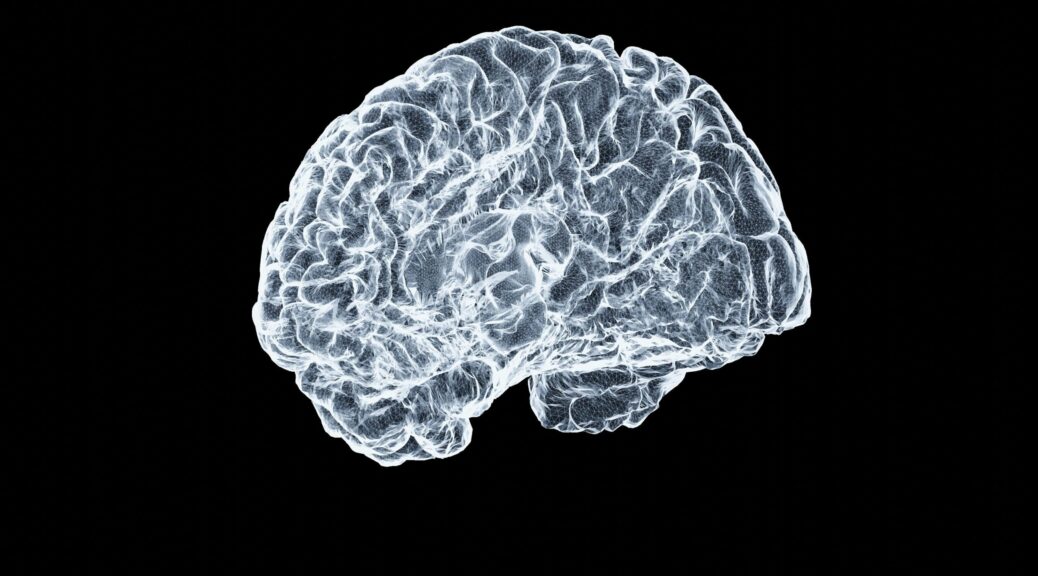
Photo by Shawn Day on Unsplash