
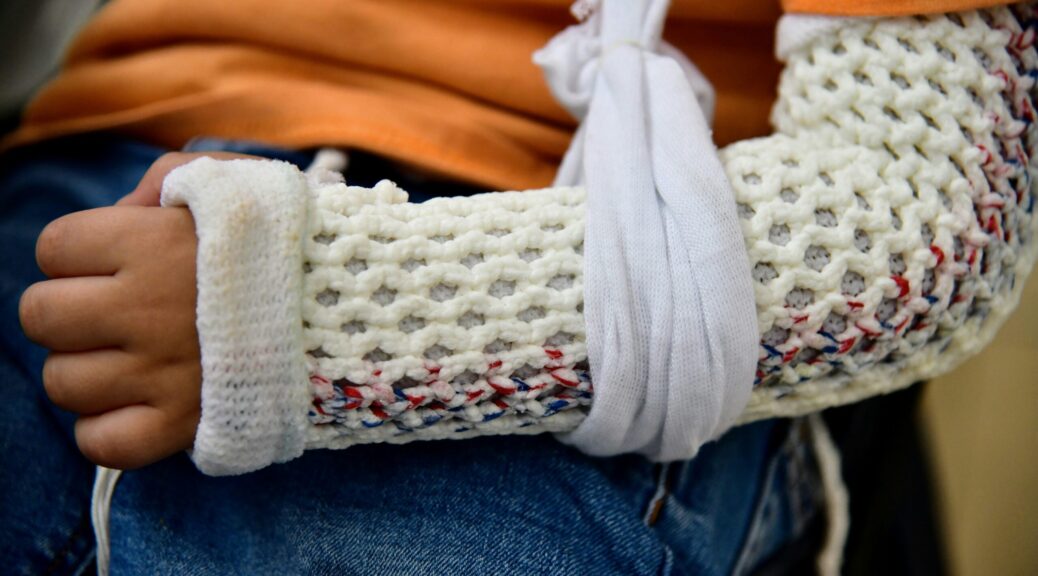
My Aunt lives alone, an energetic and fantastically sharp witted lady who just turned 81. She recently fell while getting out of the shower; it was bad, but could have been a lot worse.
The family recently visited with Aunt and got good ideas of what to do. She made copies of her house keys and gave them to us, made sure we have her garage door code. Shared phone numbers of neighbors and have plans in place in case of emergency. She is going to try and get a prescription from her doctor for the life alert system that is free for low income seniors. Her doctor reminded her of the importance of building leg strength and balance. Her fall was a sobering reminder that these things can happen when you least expect it and it pays to be prepared. She spoke with friends from her church and about starting a senior yoga class, since many of them have a healthy fear of falling and know how balance and leg strength help prevent falls.
Understand that age isn’t the sole determinant. I have personally experienced a larger than I would like to admit handful of falls over the past decade with an age range spanning 35 to 45. I feel adding to the picture encapsulated by the title is important. As a kid I would twist my ankle and fall, a lot. I could perform all sorts of entertaining party tricks, contorting my body into unnatural positions, and later excelled at some of the difficult yoga positions. I always knew I was bendy and clumsy, but it wasn’t until a Doctor suggested that we look into Hypermobile Ehlers Danlos Syndrome (hEDS) that I began to understand why my body is this way and began caring for it differently. hEDS is a heritable connective tissue disorder characterized by loose joints, joint instability, and chronic pain.
Connective tissue is the biological infrastructure of the body, acting as the internal framework that supports, protects, and binds all other tissues and organs together. Proprioception is the brain’s ability to unconsciously perceive the position, movement, and spatial orientation of the body and its limbs. It’s often called the body’s “sixth sense” and tends to be fundamentally impaired in Hypermobile people since our body relies on responsive connective tissue and collagen to send accurate signals to the brain. My doctor explained to me, connective tissue of a non-hypermobile person is like wood glue; your connective tissue is like bubble gum. There are a lot of other health issues that can come with Hypermobile Ehlers Danlos Syndrome such as fatigue, gastrointestinal problems, mitral valve prolapse, Postural Orthostatic Tachycardia Syndrome, and more. Knowledge of hEDS can help bring understanding to a body that always felt like a mystery. Much of the research is new, so many doctors don’t know what to do with us, and that can be very discouraging.
For me, it’s been a journey of research, self-advocacy, and learning to pay attention to my body’s unique communication and limits. Historically, this condition was considered super rare, but a recent large-scale study found it’s way more common than previously thought and may affect 1-3% of the population. There are many folks out there, undiagnosed and unaware of the proprioceptive challenges, specific needs, and proclivities of their bendy bodies and that they are at an even greater fall risk, especially as seniors, when the risk of falling is already elevated.
I don’t know if my Aunt would meet the criteria for hEDS diagnosis, but I will send her some articles, just to see, because there is power in knowledge and self-understanding, at any age.
Photo by shraga kopstein on Unsplash
- Bendy bodies, you are not alone – by Kate Hall - November 8, 2026
- How Holocaust education makes such a difference – by Kate Hall - April 16, 2026