
The term ‘green city’ or ‘sustainable city’ to many in the developing world is merely rhetoric of the affluent. The focus is often directed at exploiting our natural resource, creating more jobs, driving out extreme poverty, and improving standards of living of the masses with little concern for the environment. It’s not surprising that developing countries often battle International Environmental Agreements (IEAs) for special waivers when it comes to their implementations.
The premise that economic progress and environmental welfare are inversely related, at least during the initial stages of development, is being held by many policymakers in developing countries. Scientific hypotheses such as the Environmental Cruznes curve postulate a U-shape relationship between environmental welfare and economic growth: environmental damages increase in the initial stages of per capita income growth, attains stability and then starts declining. These ideas help explain why the concept of green cities is less appealing in the developing world. Therefore, there should be an in-depth probe to find out whether the ‘green city’ concept hinders economic progress.
Continue reading Are Green Cities Symbols of Luxury? – by Ronny Agyei Yeboah

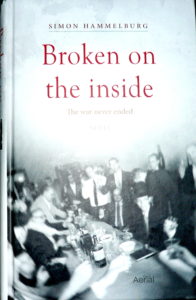 Broken on the inside – The War Never Ended by Dutch author and journalist Simon Hammelburg is based on 1200 interviews with Holocaust survivors and their children. The book reads like a novel but is based on facts, some of which have never been revealed before, disclosing insights of the psychological aftermath of survivors as well as the post-war generations and the traumas that are passed on for over six generations.