The World Interfaith Harmony Week was first proposed at the UN General Assembly on September 23, 2010 by H.M. King Abdullah II of Jordan. Just under a month later, on October 20, 2010, it was unanimously adopted by the UN and henceforth the first week of February will be observed as a World Interfaith Harmony Week.
The World Interfaith Harmony Week is based on the pioneering work of The Common Word initiative. This initiative, which started in 2007, called for Muslim and Christian leaders to engage in a dialogue based on two common fundamental religious Commandments; Love of God, and Love of the Neighbour, without nevertheless compromising any of their own religious tenets. The Two commandments are at the heart of the three Monotheistic religions and therefore provide the most solid theological ground possible.
The World Interfaith Harmony Week extends the Two Commandments by adding ‘Love of the Good, and Love of the Neighbour’. This formula includes all people of goodwill. It includes those of other faiths, and those with no faith.
The World Interfaith Harmony Week provides a platform—one week in a year—when all interfaith groups and other groups of goodwill can show the world what a powerful movement they are. The thousands of events organized by these groups often go unnoticed not only by the general public, but also by other groups themselves. This week will allow for these groups to become aware of each other and strengthen the movement by building ties and avoiding duplicating each others’ efforts.
It is hoped that this initiative will provide a focal point from which all people of goodwill can recognize that the common values they hold far outweigh the differences they have, and thus provide a strong dosage of peace and harmony to their communities.
# # #
Editor’s Note: CLICK for ADR New Beginnings Proclamation to have your city join our World Harmony Interfaith Month.

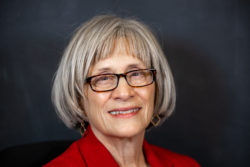 When President Trump threatened to cut off $4 billion in foreign aid, the U.S. Global Leadership Coalition emailed how cuts could limit the response to outbreaks of the deadly ebola virus. Concerned, I immediately thought of John Germ, past president of Rotary International, who spoke at Glynn Hodges’ recent Mastermind meeting. Yes, we were inspired by his story of being the first in his family to graduate college. And we were speechless at his stories of navigating outdated military planes on the verge of crashing. We empathized with his struggles to finish college while marrying and having his first child. But it was his dedication to eradicating polio world-wide, his ability to see the challenge as an invitation, that held us in awe.
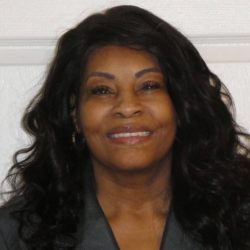 In 2018, former engineer Toni Crowe started successfully pursuing her dream of becoming a full-time author. After growing up in Chicago’s projects, Toni Crowe graduated from the University of Illinois with an Engineering Degree. She obtained her Master’s in Management, became a Professional Engineer, Certified Professional Manager, and a corporate Vice-President. She evolved into an entrepreneur and CEO of Just One with the goal of stopping “just one” person from making her mistakes.