
A year ago, who would have predicted that Critical Race Theory (CRT) would have become a 2021 national buzz word? A buzz word for those attacking it. A buzz word for those defending it. Probably with relatively few of those attackers and defenders actually having read much of it.
I have, but it’s not easy going. Lots of ideas. Lots of jargon. Lots of obscurantist legal analysis. But if you stick with it, CRT can be very thought-provoking.
CRT is based on a simple premise: the law is not neutral. As a result, institutions and systems that arise from the law will not be neutral. When Mark Twain asked a friend to explain his position on a controversial issue, the friend answered, “I’m neutral.” To which Twain responded, “Then whom are you neutral against?”
 Juneteenth, or Freedom Day, commemorates the end of slavery in the United States following the surrender of General Robert E. Lee in 1865. Since that day, each year Black communities have commemorated that fateful day by uniting in celebration. Over the last year, however, following the murders of George Floyd and many others, Juneteenth has taken on a new meaning.

 218 years of enslavement and 137 years of segregation have left Bermudians struggling with the legacies of intergenerational trauma and economic inequities across our society. A culture of silence and fear arose ensuring that past was suppressed and not talked about. People speak of the need to work together and the need for unity, however, the racial divide is widening, economic disparity between the races continues to grow, and social media is both educating and inflaming passions.
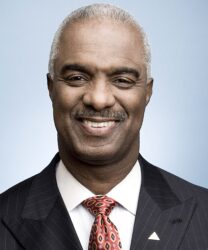 Forest T. Harper Jr. is the President and CEO of INROADS, the nation’s largest non-profit model of salaried corporate DEI internships and corporate and community leadership development for outstanding ethnically diverse talent at the pipeline and mid-career level.