

In his mesmerizing novel, The Go-Between, L. P. Hartley wrote one of the finest opening lines of any novel I have ever read: “The past is a foreign country; they do things differently there.”
That certainly holds true for the historical trajectory of diversity. At age 91, I’ve lived through myriad changes in the American diversity landscape. As we wrestle with ongoing, inevitable challenges faced by the diversity movement, it behooves us to thoughtfully consider our past trajectory. Yet to actually learn from that trajectory, we need to recognize how our presentist lenses can distort the very past that we are trying to understand.
Continue reading Renewing Diversity #13: Diversity History as a Foreign Country – by Carlos Cortés

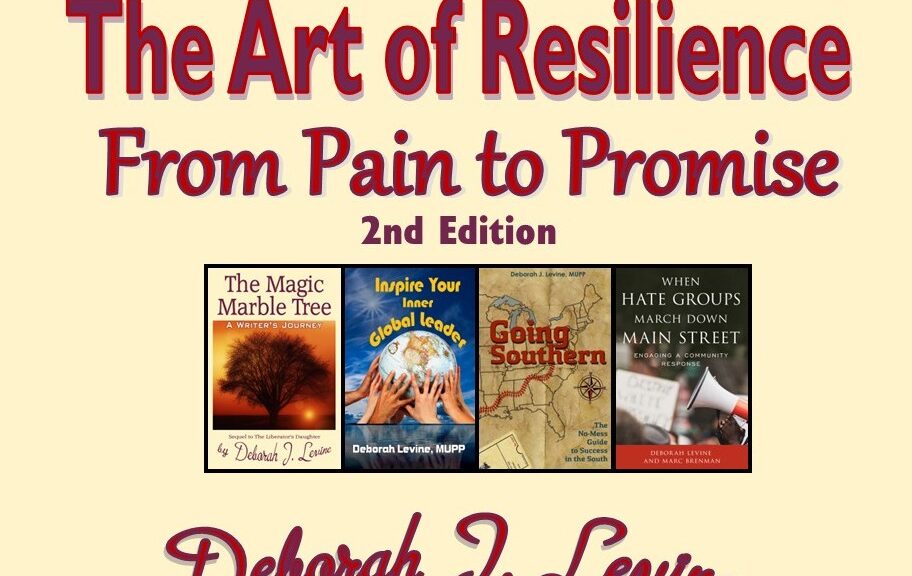
 Far from being abstract research on the dynamics of resilience, Deborah Levine has provided us with a life story, and highly relevant biography, an ethnography if you will, of the struggle for resilience lived out, day by day. It is filled with the challenges to resilience from health, work, environments, and relationships. Today we speak of the cost of intersectionality on oneself. The term is extremely relevant here, as Deborah herself is bundled into her white female identity, her Jewish ethnicity, the cultural marks of her places of upbringing, her immigrant status, her health vulnerability, and her religious belongings. Each of these shows up repeatedly both as a liability and an asset in her resilience narrative.