
(Originally published in The Chattanooga Times Free Press)
I was transfixed when Elon Musk first took over as Twitter’s CEO. It was like watching a massive highway car pile up as folks headed for the hills as Musk cried, “No, we’re not dead!”. I was tempted to exit, but was persuaded to stay and fight the good fight. So when the GOP first tweeted their intent to tear apart Hunter Biden, I responded, “How about the $2 billion Kushner got from the Saudis… Are you going to investigate that?” The support was beyond anything I’d experienced from Twitterers.

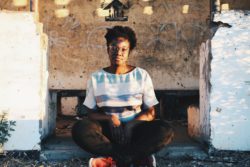 Oluwaseun Babalola is a Sierra Leonean-Nigerian-American filmmaker who founded DO Global Productions, a video production company specializing in documentaries and docuseries in Africa. Her focus is to create and collaborate on projects across the globe, while providing positive representation for people of color. She is a co-founder of BIAYA consulting, a consulting firm that bridges resource and knowledge gaps for Africa entrepreneurs in emerging industries. BIAYA’s first project was a convention in Lagos, Nigeria to help build a sustainable creative industry that can grow and export content.
 Our virtual Town Hall, The Future of Diversity Amid Pandemic, took place on Sept. 14, 2020 with help from multiple donors. Your generous support of our mission to Promote Diversity, Foster Inclusion and Counteract Hate is much appreciated. I can’t thank you enough for joining me in these DEI efforts to make a lasting real-world difference – needed now more than ever.
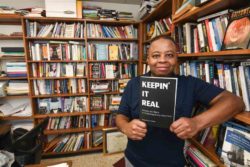 Corporate Social Responsibility Goes Beyond Cosmetic Changes to Brands, Says Professor
 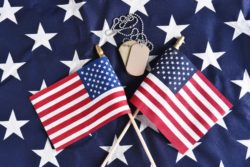 It’s one thing to return to a place for the sake of your own memories, quite another to go there on the pretext of someone else’s, to walk through their shadows and rekindle their nightmares. As a member of the subsequent generation, the Vietnam War is not a living memory for me, much like the East-West divide and Berlin Wall are not so much defining moments in cultural identity for today’s German teenagers as they are fodder for museum exhibits and high school history exams. Even as someone raised in part by a Vietnam War veteran, somehow, the war was something that just simply was, a small, if persistent, shadow in the background of our lives.