When the Jewish New Year arrived, I got many questions about faith and calendars from Human Resource departments. They wanted to know why the holiday occurs on a different day each year according to our secular calendar. And they asked about food associated with the holiday. Offering the traditional apples and honey for a sweet New Year was the easy part. Explaining the timing was the real challenge.
What should I write about religion and religious calendars in these contentious times? I know that many organizations and companies would prefer that the issue of religious diversity would disappear. But every year, thousands of religion-based lawsuits claiming a “hostile or offensive work environment” are registered with the EEOC (Equal Employment Opportunity Commission).
Continue reading Policies, Faith, and Calendars – by Deborah Levine
 Hear Deborah Levine’s interview with Rabbi Tzvi and learn about the art of perseverance and endurance. She shares her personal stories that are captured in her memoir,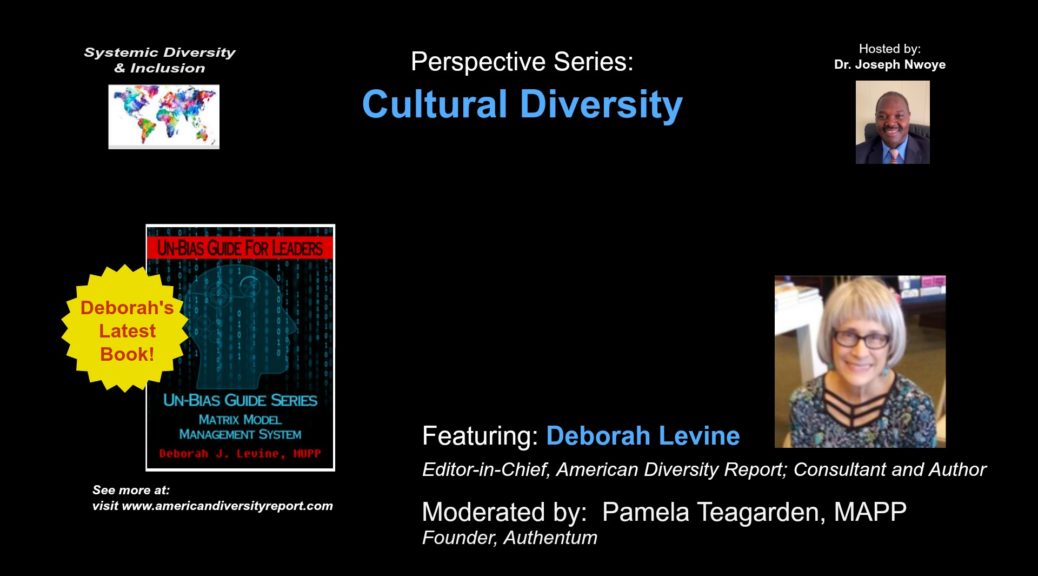
 In the 1990s, I made my first trip to Bermuda in fifteen years. My family, once the mainstay of Bermuda Jews, were long gone from the island. The first whiff of salty sea air hasn’t changed but the airport is a jumble of construction. A short jog across the tarmac should end in a hushed wait for the appearance of a customs agent, sitting patiently on the dark wood furniture of the terminal’s old-fashioned waiting room. Today, official greeters wave us through a temporary cordoned maze to a terminal with a second story, a food court, and customs agents encased in glass booths. An electronically-enhanced steel band strikes an earnest rendition of “Island in the Sun” where a portrait of a young Queen Elizabeth once hung.
 Reprinted in honor of Madeleine Albright R.I.P. 1937-2022
 When I heard that Holocaust Survivor Eva Schloss was speaking in Chattanooga, I seriously considered staying home. I know Holocaust stories all too well from my work in Holocaust education, the hand-typed memoirs of survivors sent to me, and my father’s World War II letters. Dad was a US military intelligence officer assigned to interrogate Nazi prisoners of war. His letters described their education into fascism and its authoritarian ultranationalism, dehumanizing minorities and suppressing opposition.